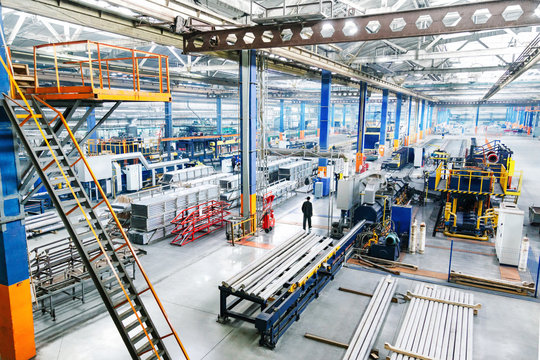
Across Southern Africa, waste has become both a challenge and an opportunity. Rapid urbanization and population growth have led to rising levels of plastic, glass, paper, and electronic waste in cities and towns. Without proper management, this waste ends up in overflowing landfills, rivers, and open spaces, threatening ecosystems and public health.
But where some see a problem, others see potential. A growing number of recycling companies in Southern Africa are transforming waste into valuable resources, creating jobs, and driving the region closer to a circular economy. By turning plastic into packaging, glass into new bottles, or e-waste into reusable components, these businesses are proving that sustainability can go hand in hand with economic opportunity.
The Need for Recycling
Southern Africa, like much of the world, faces mounting environmental challenges. Plastic pollution clogs waterways and harms marine life. Open dumping of waste contributes to greenhouse gas emissions and unsafe living conditions. In some rural areas, waste collection services are limited or nonexistent, leaving communities to burn or bury refuse.
Recycling is not a silver bullet, but it is a crucial part of the solution. By reusing materials that would otherwise be discarded, recycling reduces the demand for virgin resources, conserves energy, and lowers carbon emissions. Equally important, it provides an economic lifeline for thousands of people involved in collection, sorting, and processing.
South Africa: A Regional Leader
South Africa has established itself as a recycling hub in the region, with organized industry structures and successful companies leading the way.
-
PETCO (PET Recycling Company of South Africa) has built one of the most successful plastic bottle recycling systems on the continent. By collaborating with manufacturers and retailers, PETCO ensures that used bottles are collected, processed, and reintroduced into the production cycle.
-
The Glass Recycling Company has championed glass collection nationwide, with bottle banks in cities and suburbs making recycling accessible to the public.
-
Paper and packaging initiatives, supported by extended producer responsibility regulations, are driving investment into recycling infrastructure.
These efforts have made South Africa one of the top recycling performers in Africa, with growing awareness among businesses and consumers.
Recycling in Zimbabwe and Beyond
Elsewhere in the region, smaller but innovative companies are making their mark.
-
In Zimbabwe, organizations such as Recycle Today in Harare are encouraging urban residents to separate and collect waste. Entrepreneurs are experimenting with turning plastic into durable construction bricks, reducing both pollution and housing costs.
-
In Namibia, initiatives in Windhoek are pushing for more consistent collection of household recyclables, with private companies and NGOs collaborating to improve infrastructure.
-
In Zambia and Botswana, informal waste collectors play a central role in recycling systems, often working with small firms to supply plastics, metals, and glass for reprocessing.
Though infrastructure may be less developed than in South Africa, these efforts are laying the groundwork for regional growth in recycling industries.
Recycling and the Circular Economy
Recycling companies are more than just waste processors, they are pioneers of the circular economy, a system where resources are kept in use for as long as possible. Instead of the traditional “take, make, dispose” model, the circular economy emphasizes reusing, repairing, and recycling.
For Southern Africa, this approach offers multiple benefits:
-
Environmental Protection: Less waste in landfills and ecosystems.
-
Resource Efficiency: Reduced demand for raw materials, such as sand for glass or oil for plastics.
-
Job Creation: From waste pickers to processing plants, recycling creates employment opportunities across the value chain.
-
Innovation: New products and industries emerge, from eco-bricks to up-cycled fashion.
Recycling thus becomes both a business opportunity and a sustainability solution.
Challenges in the Sector
Despite progress, recycling in Southern Africa faces several barriers:
-
Infrastructure gaps: Collection systems are often limited outside major cities, making it difficult to gather enough recyclable material.
-
Public awareness: Many households still mix waste, reducing the efficiency of recycling processes.
-
Financing: Recycling companies, especially start-ups, struggle to access capital for equipment and expansion.
-
Informal sector integration: Waste pickers play a vital role, but they often lack recognition, fair pay, and protective equipment.