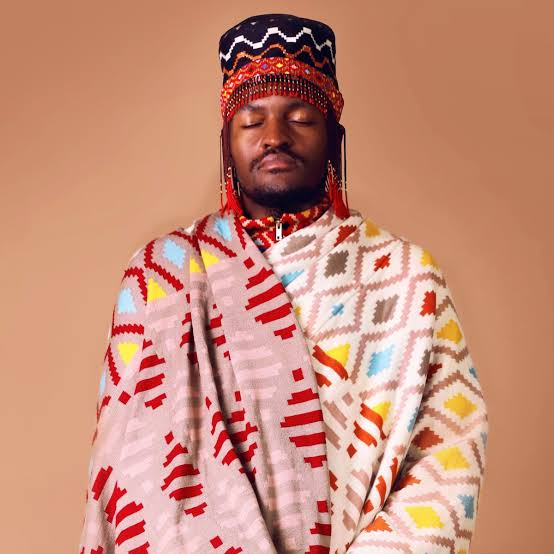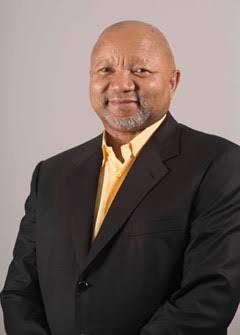
South African magnate Mzi Khumalo bought Lonmin’s Zimbabwean gold mines for $15.5 million in 2002 and built Metallon into the country’s biggest gold producer.
Mzi Khumalo paid $15.5 million in 2002 for the Zimbabwean gold mines Lonmin no longer wanted. Within a decade those mines were producing around 100,000 ounces of gold a year across five operations, making Metallon Corporation the largest gold miner in Zimbabwe.
By 2019 the group owed roughly $200 million, three of its four remaining mines had stopped, and two were in the hands of court-appointed rescue practitioners. Khumalo bought assets cheaply in a country nobody else would touch, which is how fortunes are made in mining, and then found out why nobody else would touch it.
He is one of six names that recur through the history of South African black economic empowerment, alongside Cyril Ramaphosa, Tokyo Sexwale, Patrice Motsepe, Saki Macozoma and Moss Ngoasheng. He is the only one of them who left South Africa to build something abroad, and the only one whose empire came apart in public.
Who is Mzi Khumalo?
Khumalo was born on Nov. 4, 1955 in KwaMashu, a township outside Durban, the youngest of eleven children. His father was a policeman and his mother a cleaner, and his father died when he was nine.
He started earning straight away, tin-plating recycled oil cans and selling them, then working as a petrol pump attendant and teaching himself car mechanics. He became known in the township as somebody who could get things done. That reputation is what recruited him. Friends in the African National Congress used him as a lookout, a driver and a means of moving weapons, and the organisation noticed. The ANC spotted him and recruited him, he said years later, rather than the other way round.
Khumalo joined McCarthy Holdings, the motor retail group, in 1991, at 35, with no formal business training. Three years later he founded Capital Alliance, a financial services and insurance company, in the window when South African institutions were hunting for black partners and had almost nobody to choose from. He sold his interest in 1997, and the business was eventually sold carrying about $8 billion of assets under management.
He then bought a piece of mining history. Johannesburg Consolidated Investments had been a force in South African mining for more than a century when Anglo American broke it up, and Khumalo became a shareholder and then chairman of JCI Limited in 1997, at 41, making it the first black-controlled mining house in the country.
He collected directorships across corporate South Africa in the same period, sitting on the boards of Anglo American Corporation, Telkom, McCarthy Retail, Momentum Life and Southern Mining Corporation. He became chairman of Mintek, the state minerals research organisation, in 2004, and a trustee of the World Wide Fund for Nature.
His personal investments went into a vehicle called Mawenzi.
The Harmony trade
The money that built everything else came from a single share price. Khumalo and his partners acquired a stake in Harmony Gold through a vehicle called Simane Security Investments in a 2002 empowerment deal, a holding valued at about 2 billion rand. He then bought his partners out, and the share price climbed from 37.30 rand to 186.80 rand.
He sold into that, and the profits left the country. The dispute ran for twelve years, and the Reserve Bank won it.
Lonmin wanted out of Zimbabwe in 2002. Khumalo wanted in.
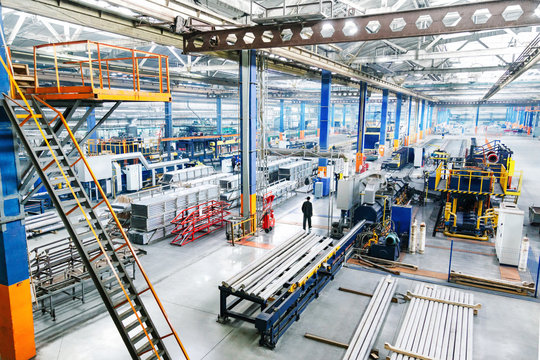
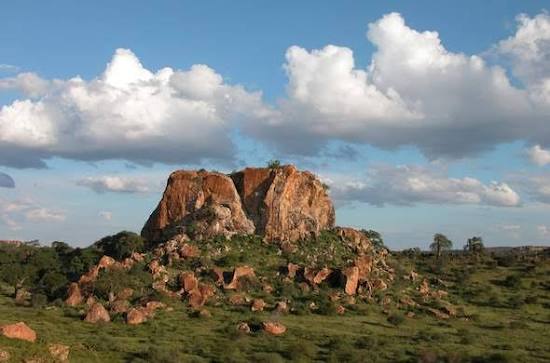
He paid $15.5 million for the company’s Zimbabwean gold assets and folded them into Metallon Corporation, registered in London and owning the mines outright. He got five operations: Shamva and Mazowe in Mashonaland, Redwing at Penhalonga near Mutare, Arcturus outside Harare and How Mine in Bulawayo.
The assets were worth far more than the price. Independent assessors put Metallon’s resource base at 5.2 million ounces of gold in 2018, and at its peak the group produced around 100,000 ounces a year, making it the largest gold producer in the country.
Khumalo wanted five times that. He set a target of 500,000 ounces a year, later raising it to 550,000 in a proposal he took personally to Zimbabwe’s mines minister Winston Chitando in September 2019, and he estimated he needed about $400 million to get there.
South Africa’s Reserve Bank issued its first notice of forfeiture in August 2008. Khumalo took it to the North Gauteng High Court, argued the exchange control regulations were unconstitutional, and won in 2009, only for the Supreme Court of Appeal to overturn that in March 2010.
Deputy governor Lesetja Kganyago, later the bank’s governor, signed the forfeiture order on Aug. 2, 2011. It was one of the largest the bank had ever issued, and it took interests in fifteen companies, investments held by Deutsche Bank, the Premier Soccer League club Lamontville Golden Arrows that Khumalo had bought in August 2004, a Sandton property, Metallon Hotels and Leisure Holdings, Joob Joob Investments, the Mzi Khumalo Family Trust, Simane Security Investments and a 50 million rand Raytheon 390 Premier 1 jet.
The total came to about 1 billion rand, payable into the National Revenue Fund.