AI Driven Precision Farming: Transforming African Agriculture in 2025
Agriculture is the backbone of many African economies, employing millions and contributing significantly to GDP. However, challenges such as climate change, unpredictable weather patterns, soil degradation, and inefficient farming practices threaten food security and productivity. Artificial Intelligence (AI) is set to revolutionize African agriculture in 2025 by providing data-driven solutions to optimize farming, increase yields, and improve sustainability.
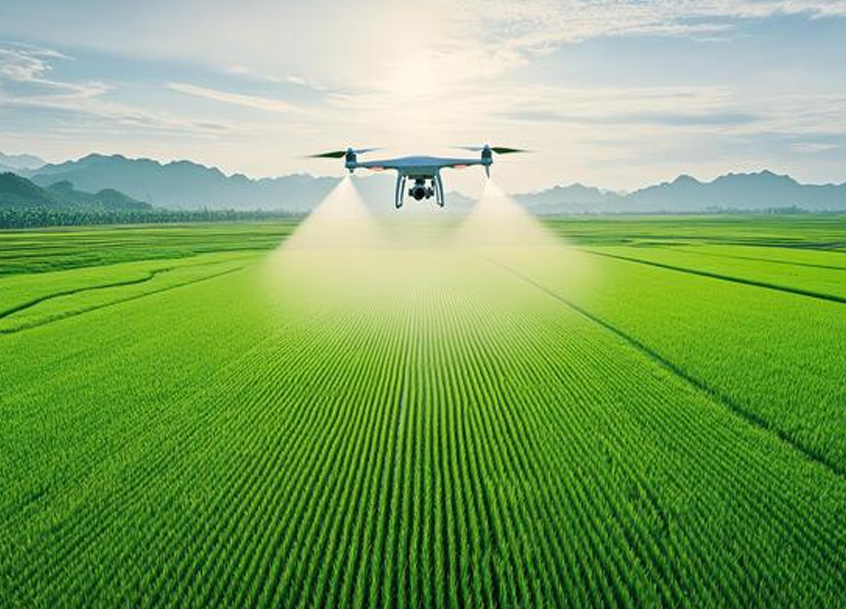
Precision farming involves using advanced technologies, including AI, to monitor and manage crops more efficiently. AI-powered sensors, drones, and satellite imaging can analyse soil conditions, detect diseases, and predict weather patterns. This allows farmers to make informed decisions, reducing resource wastage and improving yields.
For example, AI-driven soil analysis tools can assess nutrient levels and recommend the exact type and quantity of fertilizers needed. This prevents overuse of chemicals, reducing environmental damage and cutting costs for farmers. Similarly, AI can help optimize irrigation by analysing weather forecasts and soil moisture levels, ensuring water is used efficiently, especially in drought-prone areas.
Pests and diseases cause significant losses for African farmers, often wiping out entire crops. AI can help detect plant diseases early through image recognition technology. Farmers can use mobile apps that analyse photos of affected crops and provide immediate diagnosis and treatment recommendations. AI-powered drones can also monitor large farms for signs of infestation, enabling farmers to take quick action before outbreaks spread.
One major challenge for African farmers is accessing fair markets and receiving competitive prices for their produce. AI can analyse market trends and predict price fluctuations, helping farmers decide when to sell their crops for maximum profit. AI-driven platforms can also connect farmers directly with buyers, reducing reliance on middlemen and improving earnings.
While AI holds immense potential, challenges such as internet connectivity, digital literacy, and the high cost of AI-driven equipment must be addressed. Governments, tech companies, and agricultural organizations must work together to make AI accessible to smallholder farmers, who make up the majority of Africa’s agricultural workforce.
By 2025, AI will be a game-changer for African agriculture, driving efficiency, reducing losses, and improving food security. Investing in AI-powered farming solutions today will ensure that Africa’s agricultural sector remains resilient and productive for future generations.